
One of the most talked-about cybersecurity and digital governance challenges in India was the brief ban of Telegram before the NEET 2026 re-examination. The incident prompted severe concerns about exam integrity, online fraud networks, misinformation, encrypted messaging platforms, and the balance between digital rights and public safety as millions of students prepared for one of India’s most difficult medical entrance exams.
Renowned cybersecurity specialist and digital risk analyst Mohit Yadav discussed the technical, legal, and sociological aspects of the Telegram prohibition in several national news conversations. His research made it easier for viewers to comprehend how phony document leak allegations propagate online, why messaging platforms become appealing tools for scam networks, and what regulators, parents, institutions, and students need to take away from the incident.
Three significant news bites that Mohit Yadav covered for prestigious news outlets like Aaj Tak, India Today, and NewsX are highlighted in this article.
1. Indian Govt. Blocked Telegram | NEET 2026 Re-Exam | Truth Behind the NEET Scam | By Mohit Yadav at Aaj Tak News Channel
Mohit Yadav provided an explanation of the broader background of the government’s temporary action against Telegram in his news segment on Aaj Tak. The increased abuse of digital platforms during high-stakes exams was the problem, not just one chat app.
Exam-related fraud has progressed beyond conventional paper leaks, according to Mohit Yadav. These days, public channels, private groups, bots, anonymous usernames, phony screenshots, and viral forwarding chains are used by cybercriminals and organized cheating rackets to frighten students. Even while the so-called “leaked papers” that are circulating online are frequently fake, they can nonetheless deceive students, take money from desperate applicants, and erode public confidence in the testing procedure.
He clarified that enforcement teams may find it challenging to promptly determine the source of fraudulent content due to Telegram’s huge groups, fast forwarding features, cloud-based storage, and anonymous handles. This does not imply that all Telegram users engage in illicit conduct, but it does demonstrate how effective communication tools can be abused when test pressure and online fraud coexist.
Mohit Yadav concentrated on the human aspect of the NEET dispute as well. There is already a lot of mental strain on students getting ready for competitive exams. Confusion and concern increase when fraudulent messages, scam organizations, and false leak claims proliferate online. His message was very clear: students should never pay anyone offering to give question papers or “confirmed” exam material, only trust official sources, and stay away from dubious organizations.
2. NEET 2026 Re-Exam: Telegram Blocked Across India Until June 22 | News Covered by Mohit Yadav at India Today
While briefing on a bulletin on India Today, Mohit Yadav talked about the temporary Telegram ban as a matter of public confidence and cybersecurity. Concerns about the NEET 2026 re-examination and the potential for internet platforms to disseminate fake exam-related content led to the decision to restrict access until June 22.
Mohit Yadav clarified that hacking is not the only form of digital fraud that occurs during national exams. Social engineering is used in a lot of scams. Fraudsters use urgency, anxiety, and false promises to emotionally target pupils. They might assert that they have access to paid groups, internal resources, original question papers, and answer keys. In actuality, a lot of these organizations are set up to steal personal information, gather money, or disseminate false information.
Additionally, he emphasized the need for government agencies and examination organizations to implement more robust digital monitoring systems prior to, during, and following significant exams. This includes coordination with social media platforms, cybercrime cells, real-time threat intelligence, quicker reporting routes, and student public awareness initiatives.
One of the most important lessons from the NEET 2026 debate, according to Mohit Yadav, is that cybersecurity is no longer exclusive to businesses, banks, or government networks. Education, public trust, student welfare, and institutional legitimacy at the national level are all closely related.
He suggested that parents and students take a few simple safety measures:
-
- Unofficial Telegram, WhatsApp, and social media groups claiming to offer exam papers should not be trusted.
- Paying someone who offers “guaranteed” exam material is not advised.
- Check all updates from the government or official NTA channels.
- Notify the appropriate cybercrime authorities of any questionable organizations, screenshots, or links.
- Unverified content should not be forwarded since it can spread false information and cause panic.
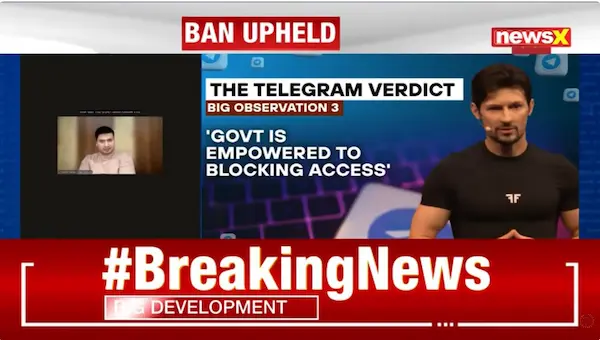
3. Telegram Under Fire! Court Rejects Appeal – What’s Next? | Explained by Mohit Yadav at NewsX
Mohit Yadav discussed the Telegram restrictions’ legal and policy aspects in his NewsX talk. After the court allegedly denied Telegram’s appeal against the temporary limitation, the argument became more heated. This sparked a broader national debate about whether platform-level blocking is a good approach or if more focused enforcement measures are required.
According to Mohit Yadav, speed is the main issue facing officials. Even a few minutes of viral circulation might cause uncertainty across the country in exam fraud situations. Eliminating one channel could not be sufficient if a fraudulent or leaked document has spread to thousands of groups because mirror groups, backup channels, bots, and anonymous accounts can soon emerge.
But he also pointed out that digital constraints need to be properly considered. Millions of regular users who use the app for communication, education, business, communities, and private messaging are impacted by any platform-level restrictions. As a result, these choices must always be temporary, reasonable, subject to legal review, and supported by convincing arguments in the public interest.
What comes next was another topic of discussion on NewsX. Mohit Yadav claims that India requires a more advanced structure for digital investigation and exam protection. Authorities should develop preemptive cybersecurity mechanisms around sensitive examinations rather than responding after scams proliferate.
This may include:
- Checking for patterns of fraudulent document leaks using AI.
- Quicker collaboration between digital platforms and exam bodies.
- Students’ public communication channels have been verified.
- Cyber response teams that are committed to the national tests.
- Severe penalties for con artists who sell phony documents.
- Campaigns to raise awareness about the dangers of bogus exam groups.
- Improved preservation of evidence in digital investigations.
Mohit Yadav emphasized that preventing technology abuse should be the main objective rather than demonizing it. Modern living includes social media, encrypted communication tools, and messaging apps. Developing technologies that safeguard citizens without unduly limiting authorized users is the true difficulty.
Mohit Yadav’s Key Takeaways on the Telegram–NEET 2026 Issue
Mohit Yadav offered a fair cybersecurity viewpoint in each of the three news talks. His main findings can be summed up as follows:
Exam fraud has become digital-first
Encrypted apps, anonymous identities, bots, payment links, phony screenshots, and the dissemination of viral content are all used by modern cheating networks. Exam fraud becomes more rapid, widespread, and challenging to prevent as a result.
Students are the biggest victims of misinformation
Due to pressure or fear, a lot of kids join dubious groups. Scammers take advantage of this fear by disseminating false information or selling phony documents.
Temporary restrictions may reduce immediate risk, but they are not a complete solution
The dissemination of fraudulent content may be slowed down by blocking a platform, but long-term prevention calls for more thorough research, platform collaboration, and public awareness.
Platforms must cooperate faster during sensitive national events
For legitimate demands concerning test fraud, financial scams, dangers to public safety, and cybercrime, large messaging platforms ought to have more robust emergency response routes.
Digital literacy is now part of exam safety
Parents and students need to be taught how to spot fraud, check official updates, stay away from dubious links, and report fraudulent internet behavior.
Why This Issue Matters for India’s Digital Future?
The NEET 2026 re-examination Telegram limitation is more than a one-time news story. It illustrates a more significant issue facing India’s digital society. The risk of cyber-enabled fraud rises along with the digitization of public services, education, finance, governance, and communication.
Students, families, institutions, coaching facilities, governmental organizations, and law enforcement agencies are all impacted by a nationwide test. In addition to financial theft, cybercriminals can cause emotional distress, public mistrust, and reputational harm when they take advantage of such an atmosphere.
This is precisely what Mohit Yadav’s research on Aaj Tak, India Today, and NewsX highlighted: cybersecurity is now a topic of public concern. It has to do with the future of students, institutional justice, legal responsibility, and responsible use of technology.
Conclusion
A significant national dialogue on cybersecurity, test fraud, platform accountability, and digital rights was sparked by the Indian government’s brief ban on Telegram during the NEET 2026 re-examination period.
Mohit Yadav, who is a proud Media Panelist on various Cybersecurity and AI topics for more than 12 reputed media houses, provided a clear and balanced explanation of the matter through his knowledgeable reporting on Aaj Tak, India Today, and NewsX. He emphasized the dangers of online cheating networks, the psychological effects on pupils, the difficulties authorities encounter, and the necessity of more robust digital protections.
The bigger picture is evident: India needs to adopt a proactive cybersecurity posture for its national exams. Instead of being a weapon for fraud, panic, or false information, technology should empower students and institutions. Such tragedies can be more successfully avoided in the future with increased awareness, quicker platform cooperation, and responsible digital governance.
By making complicated cybersecurity topics understandable to the general public and assisting citizens in comprehending how digital risks impact daily life, Mohit Yadav continues to raise public awareness.